
A traveller’s guide
Brazil is a vast country, and choosing an airline depends on your route, connections and what matters most for the trip. This guide brings together practical planning advice and the history, fleet notes and legacy material that made the original airline profiles useful.
Meet the carriers
Brazil’s major airlines
Azul, GOL and LATAM connect Brazilian cities and international gateways. Explore each profile for route context, fleet background and passenger information. Airline schedules, aircraft and policies change; confirm current details with the carrier before booking.
01 / AIRLINE PROFILE
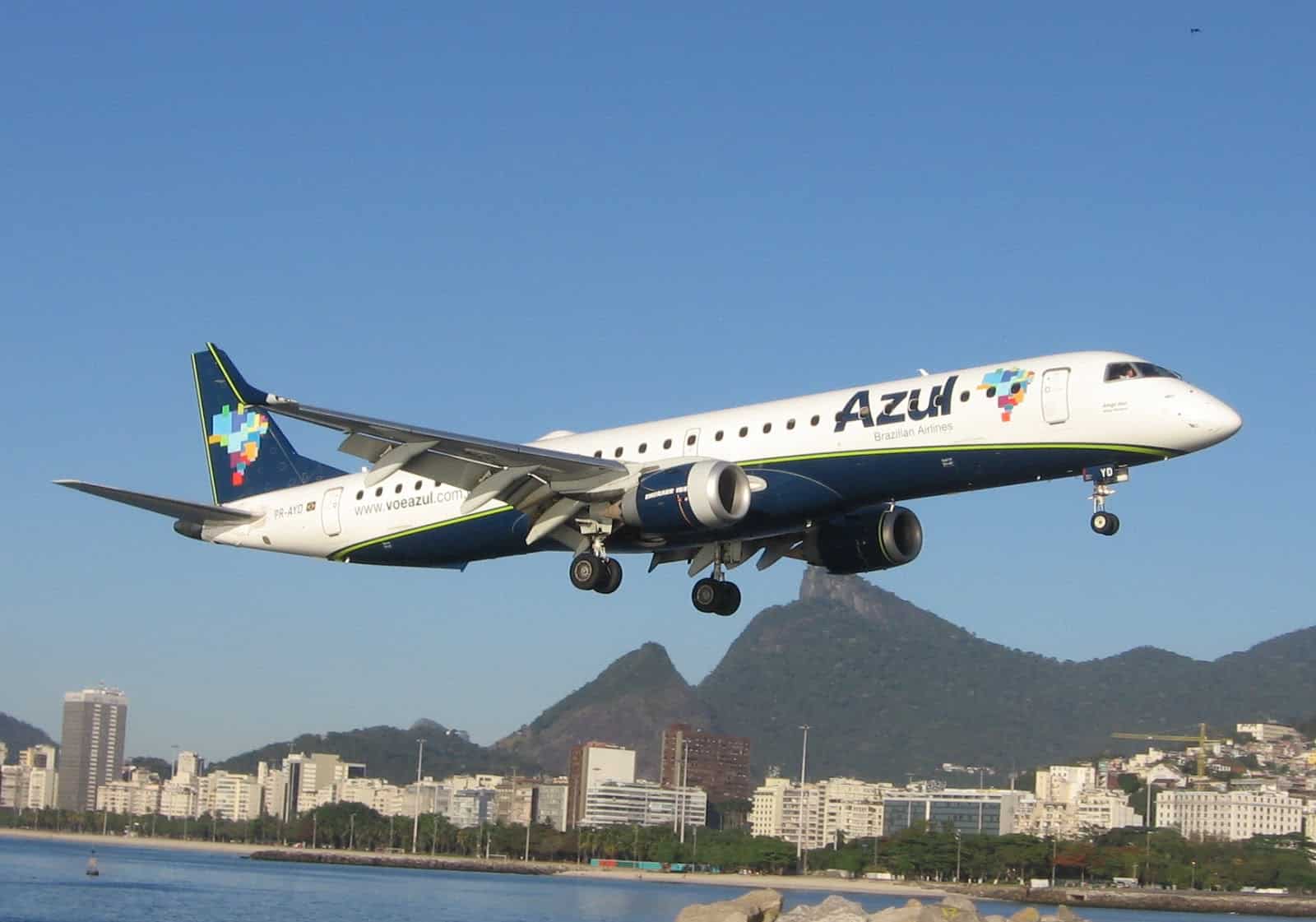
Azul Airlines
From its 2008 launch, Azul built a network around regional connectivity and underserved markets.
02 / AIRLINE PROFILE
GOL
Founded in 2001, GOL became a major domestic carrier and helped popularize online booking in Brazil.
03 / AIRLINE PROFILE
LATAM Airlines Brasil
LATAM’s Brazilian operation grew from TAM and LAN, whose combination created LATAM Airlines Group in 2012.
Plan the whole journey
How to compare airlines
Compare the full fare
Check baggage, seat selection, change conditions and the final price after optional services. Terms differ by fare and itinerary.
Check the connection
Review airport changes, transfer time and whether separate tickets require collecting and rechecking bags. Allow extra time for international-to-domestic connections.
Match the route to your trip
Direct flights vary by city pair and date. Compare the whole journey to your first destination, including surface transfers between airports.
Use current airline sources for schedules, routes, fleet and travel rules. The historic figures and fleet notes below are retained as archive material, not as current operational data.
Profile & history
LATAM Airlines Brasil
LATAM Airlines Brasil is the Brazilian brand within LATAM Airlines Group. TAM and LAN completed their combination in 2012. The previous site also described the group as a major domestic and international carrier using 2017 ANAC market-share figures; those figures are historical and are kept in the archive below.
Read the LATAM airline guide ↗
History and milestones
A timeline from LAN and TAM to LATAM
1929
LAN is founded by Commandant Arturo Merino Benítez as Chile’s Línea Aérea Nacional.
1976
Rolim Amaro establishes TAM, Transportes Aéreos Regionais, in Brazil.
1989
Chile begins the privatization of LAN; Scandinavian Airlines System joins local investors.
1990
Brasil Central changes its name to TAM – Transportes Aéreos Meridionais.
1994
LAN’s privatization reaches 98.7% of shares held by its controllers and other stakeholders.
1996
TAM purchases LAPSA from Paraguay’s government and creates TAM Mercosur.
1997
LAN lists shares on the New York Stock Exchange, becoming the first Latin American airline to trade ADRs there.
1998
TAM Viagens is established; TAM’s first international flight from São Paulo to Miami uses an Airbus A330.
2006
LAN launches Premium Business; TAM completes its IPO on the New York Stock Exchange.
2008
LAN completes a short-haul fleet renewal with A320 aircraft. TAM introduces a new logo and receives its first Boeing 777-300ER.
2009
LAN launches cargo in Colombia and domestic passenger service in Ecuador. Multiplus Fidelidade becomes independent; TAM announces the purchase of Pantanal.
2010
LAN buys Colombian carrier Aires. TAM joins Star Alliance and performs a Latin American biofuel flight using jatropha.
2011
LAN and TAM sign agreements to combine their operations.
2012
LATAM Airlines Group is formed from LAN and TAM.
2014
TAM joins oneworld, aligning LATAM passenger companies under the alliance.
Financial archive (2019)
Financial snapshot from the 2019 archive
The former site’s October 2019 report recorded 17.4% year-on-year demand growth for the month and a 37.5% share of domestic RPK. Its third-quarter 2019 summary listed operating income of US$268.9 million, a 10.1% operating margin and total revenue of US$86.3 million. The report also noted 11.1% passenger-revenue growth, 6.9% total revenue growth and 7.6% growth in passengers transported. These are dated historical figures, not a current financial update.
Fleet and route archive
Fleet specifications preserved from the former profile
The source profile listed these aircraft specifications without a clear “as of” date. They are retained as a historical reference; fleet composition and cabin layouts may have changed.
| Aircraft | Capacity | Length | Wingspan | Max. takeoff weight | Exits / toilets |
|---|---|---|---|---|---|
| Boeing 787-9 | 313 | 63.00 m | 60.00 m | 251,360 kg | 8 / 8 |
| Boeing 787-8 | 247 | 56.72 m | 60.13 m | 227,930 kg | 8 / 6 |
| Boeing 767-300 | 221–238 | 54.2 m | 47.16 m | 184,611 kg | 8 / 7 |
| Airbus A350 | 339 | 65.23 m | 64.75 m | 268.9 t | 8 / 8 |
| Airbus A321 | 220 | 44.51 m | 35.8 m | 89,000 kg | 8 / 3 |
| Airbus A320-200 | 168–174 | 44.51 m | 34.10 m | 77,000 kg | 8 / 3 |
| Airbus A319 | 144 | 33.84 m | 34.10 m | 70,000 kg | 6 / 3 |
| Boeing 777 | 379 | 73.08 m | 64.80 m | 346,544 kg | 10 / 10 |
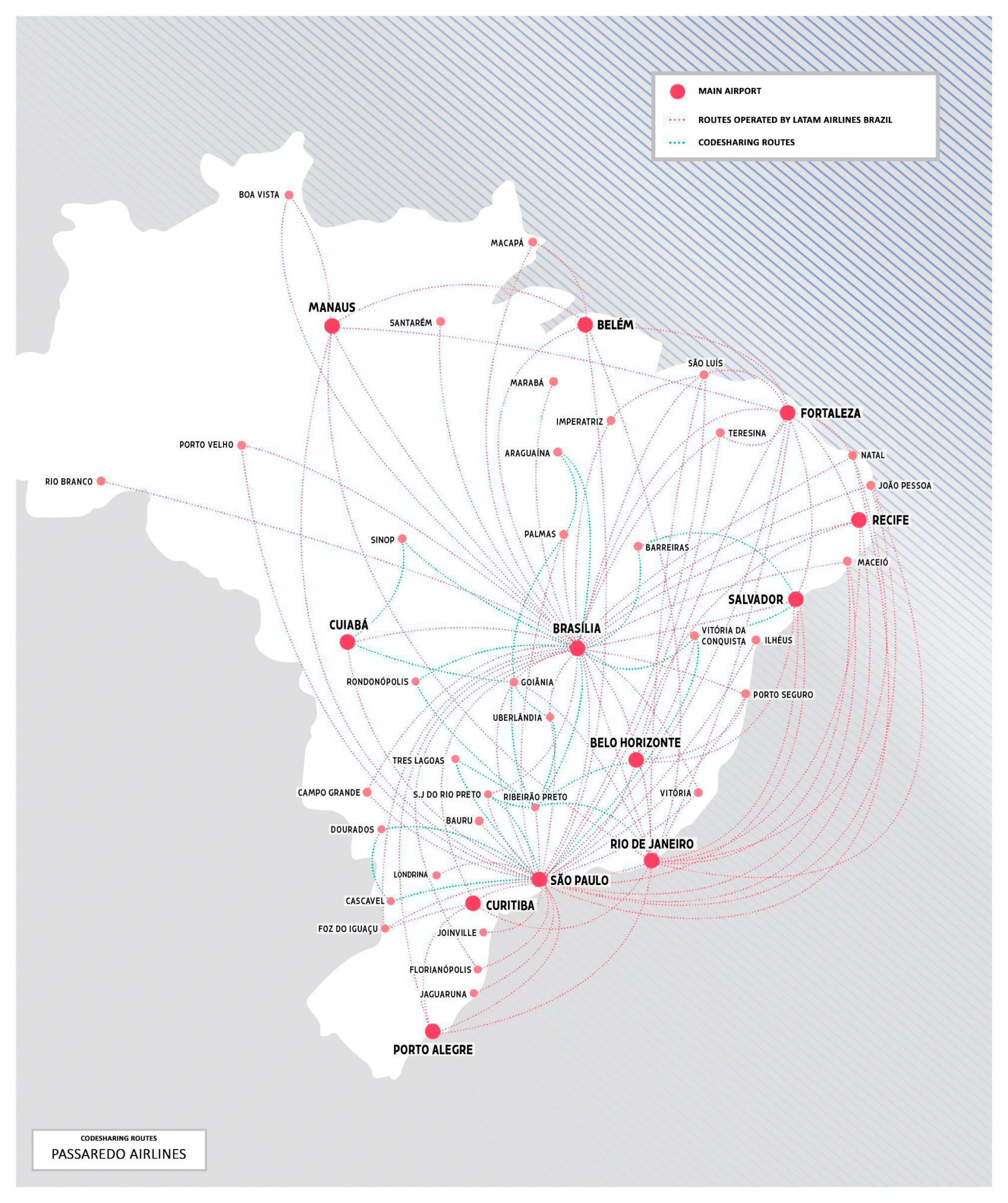
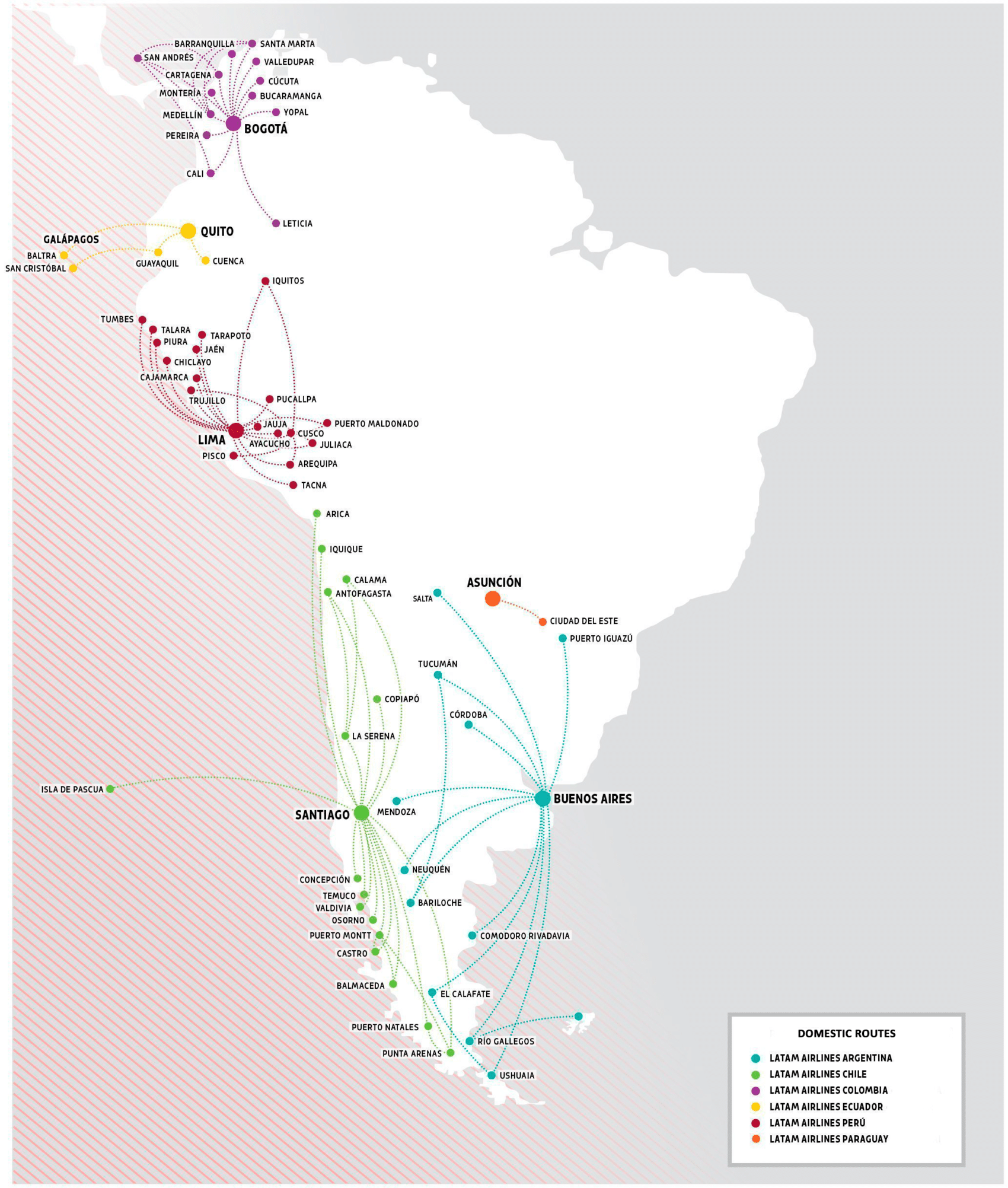
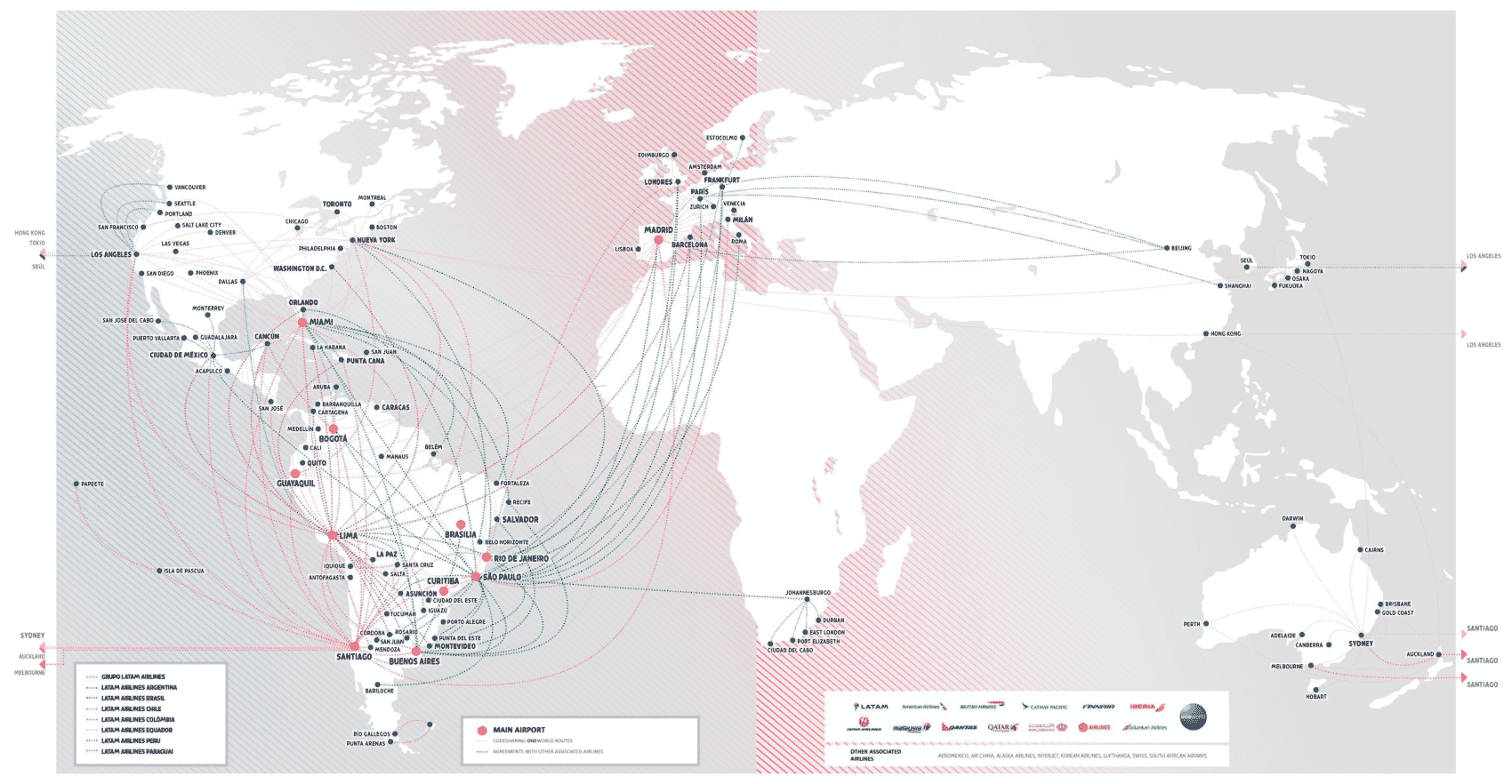
Route maps from the former profile
Brazil map · South America map · Worldwide map (archived route artwork)
Profile & history
GOL
GOL Linhas Aéreas began operations in 2001 from Brasília. The legacy profile described its Rio de Janeiro base, expansion across Brazilian cities and a fleet built around Boeing 737 aircraft. Some of that page’s network and market-share descriptions were based on 2017–2019 data and should be read as historical.
History and milestones
A timeline of GOL milestones
2001
GOL launches its first flight from Brasília to São Paulo. It introduces online reservations and the locator code, removing the traditional paper ticket.
2002
The Rio–São Paulo Air Bridge begins; GOL receives its first Next Generation Boeing 737-800.
2003
The airline launches overnight flights and web check-in.
2004
GOL completes IPOs in São Paulo and New York and expands online ticket sales.
2005
A new base in Boa Vista makes GOL the first Brazilian airline to serve every state capital; it introduces its first 737-700 with winglets.
2007
GOL acquires Varig and expands its scale in Latin America.
2008
GOL introduces mobile-phone check-in at Santos Dumont Airport.
2009
Self-service kiosks reach major airports; GOL signs codeshare agreements with American Airlines and Air France/KLM.
2010
The GOL iPhone app allows eligible customers to check in on domestic flights.
2011
GOL signs a codeshare agreement with Qatar Airways.
2014
GOL announces a strategic partnership with Air France–KLM and introduces Express Baggage at self-service kiosks.
2015
The airline permits pets in the cabin subject to carrier and travel requirements.
2016
GOL launches Premium Class on international routes.
2018
GOL announces direct flights from Brasília and Fortaleza to Miami and Orlando, enabled by Boeing 737 MAX aircraft.
Financial archive (2019)
Financial snapshot from the 2019 archive
The former page’s October 2019 summary recorded 11.6% growth in RPK and a 36.7% domestic RPK share. Its third-quarter notes cited R$7 billion in net revenue, 12.8% RPK growth, nearly 10 million customers and 38% domestic market share. The same archive said GOL operated more than 750 daily flights and listed 76 own destinations at that time. These are historical figures, not current company statistics.
Fleet and route archive
Fleet and route notes from the former profile
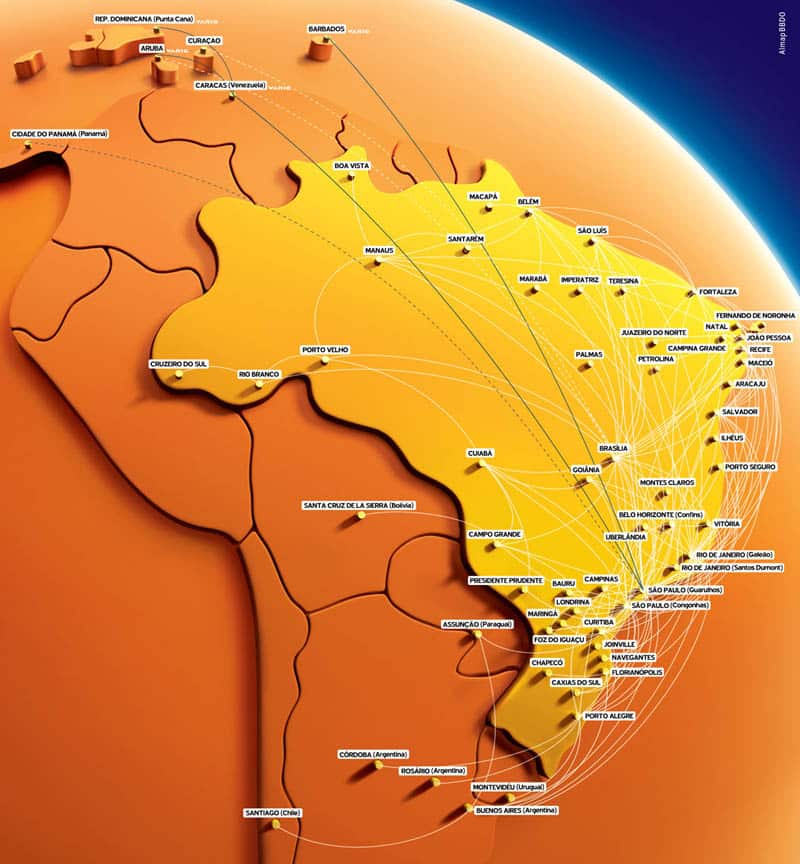
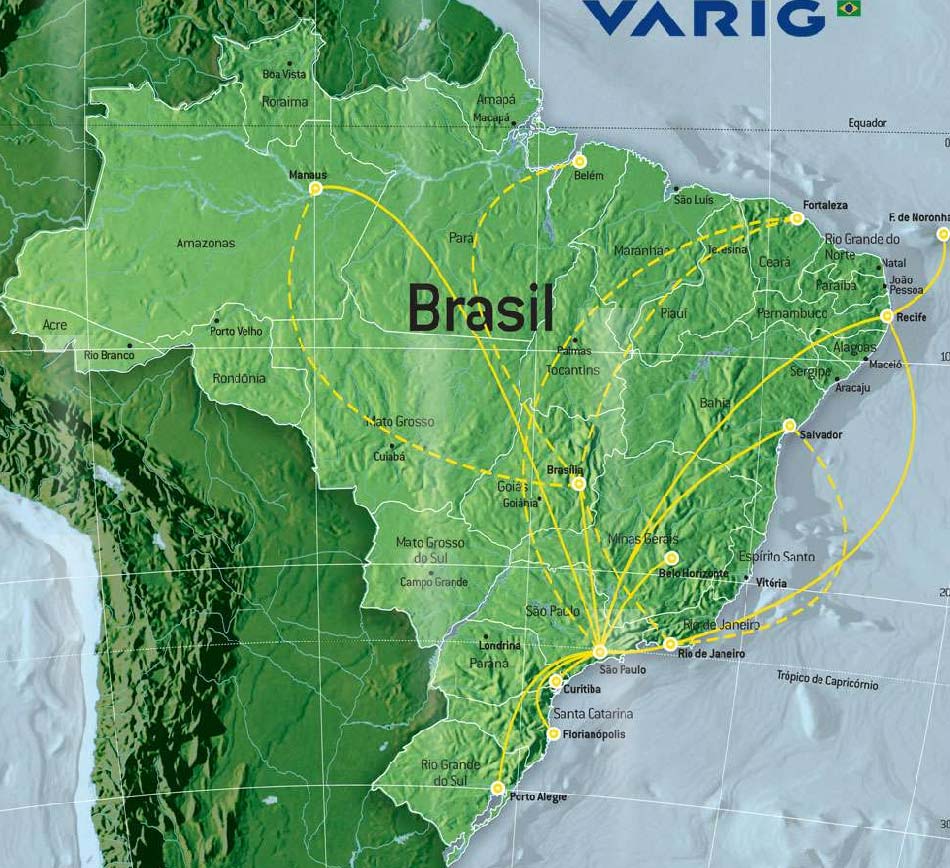
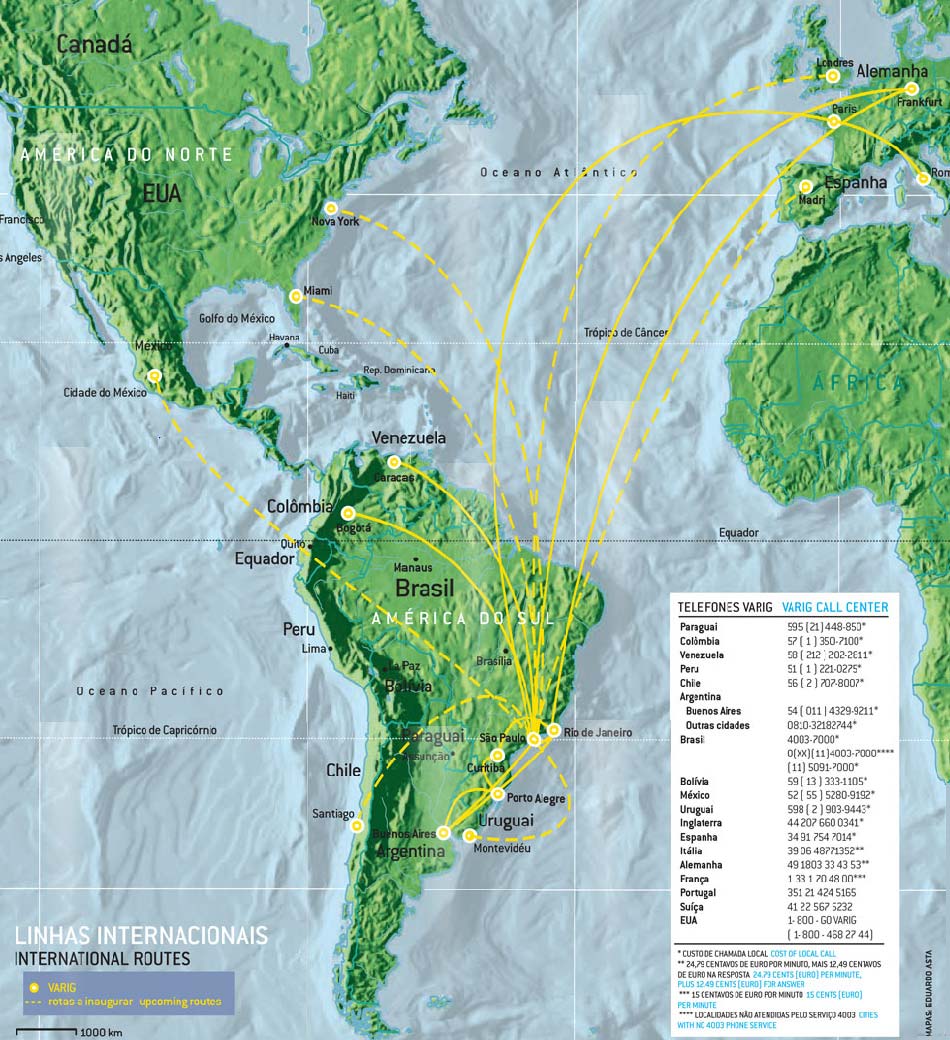
A legacy fleet module listed 91 Boeing 737-800s, 24 Boeing 737-700s and 7 Boeing 737-8 aircraft. That dated count is preserved for reference only. The old route section also included maps for GOL, Varig domestic and international lines, and Webjet:
GOL route map · Varig domestic · Varig international · Webjet

Profile & history
Azul Airlines
Azul was founded in 2008 by Brazilian-born David Neeleman and began service on December 15 of that year. The former profile says the airline launched with 76 Embraer 195 aircraft and describes its original strategy: bringing frequent, affordable service to markets underserved by air travel. Its city-count and market-share statements were tied to 2017–2019 data and are preserved as period-specific context rather than current claims.
History and milestones
A short history
2008
David Neeleman establishes Azul in Brazil. The airline begins service on December 15 with a fleet of 76 Embraer 195 aircraft.
2015–2017
The former site described Azul’s growth strategy as bringing frequent, affordable service to underserved Brazilian markets. It also listed awards received in 2015, 2016 and 2017.
The former page highlighted customer experience and branding, and cited awards from TripAdvisor (2017), Skytrax (2016) and OAG (2015). Those awards are historical and refer to the years shown.
Financial archive (2019)
Financial snapshot from the 2019 archive
The source page’s third-quarter 2019 notes listed R$935.8 million EBITDA, up 24.4%, and R$444.4 million net income excluding the non-cash impact of exchange variation. It recorded 27.1% passenger growth, an 84.3% load factor and a fleet of 133 aircraft at the end of September 2019. Its October 2019 note reported 40.1% demand growth and a 25.3% share of domestic demand. These figures are retained as dated archive material.
Fleet and route archive
Aircraft gallery from the former profile


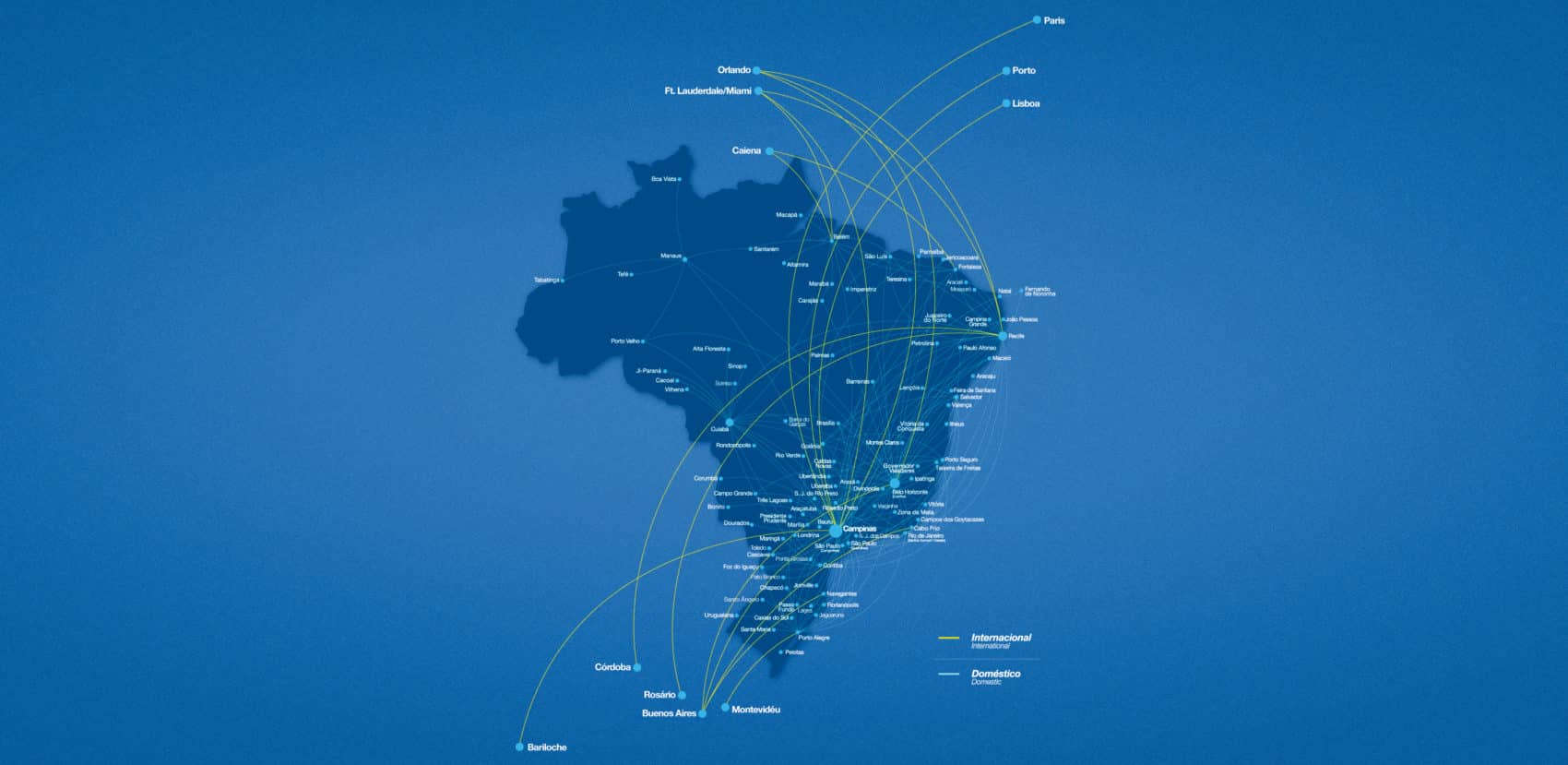
Route map
From the archives
Former Brazilian airlines
Past carriers helped shape Brazilian aviation. The original guide included short histories of Avianca Brasil, VASP, Varig and Transbrasil; those notes remain here as historical records.
Avianca Brasil
Avianca Brasil
Avianca Brasil, legally Oceanair Linhas Aéreas S/A, entered bankruptcy protection in 2018 and ceased operations in 2019 after losing much of its fleet. The former profile said the company had been operating around 30 daily flights with the aircraft still available to it.
VASP
VASP
VASP was established on November 4, 1933 by the government of São Paulo. It was the first airline to serve the state’s interior. The former profile records that the carrier stopped flying in 2005 and subsequently provided maintenance services to other companies.
Varig
Varig
Founded on May 7, 1927, Varig became Brazil’s first airline and one of Latin America’s largest. Known internationally for its service, the original Varig stopped flying in 2006.
Transbrasil
Transbrasil
Transbrasil was a major Brazilian airline that ceased operations in December 2001. The old profile describes it as the country’s third-largest carrier after Varig and VASP.
Need help planning?
Explore Brazil with Brol
Speak with specialists who know the country and can help plan your trip.